Apps & Systems
Software Projects
Bouncing Ball
Flutter · Dart · Game Physics

Project Documentation
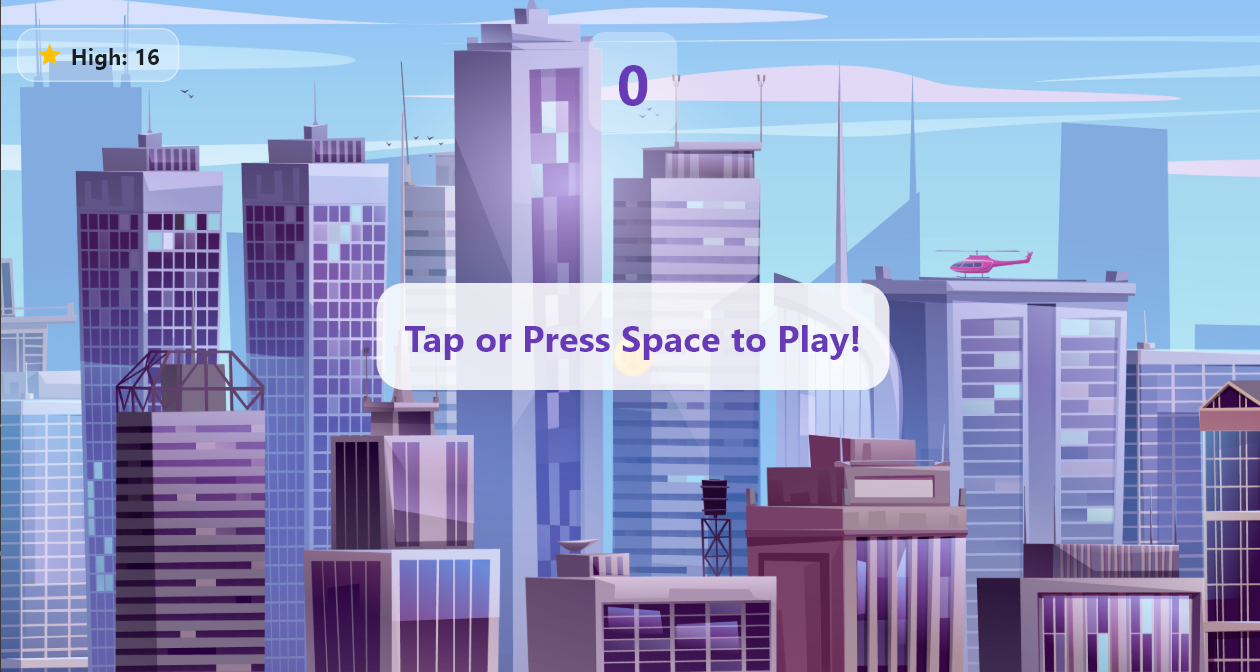
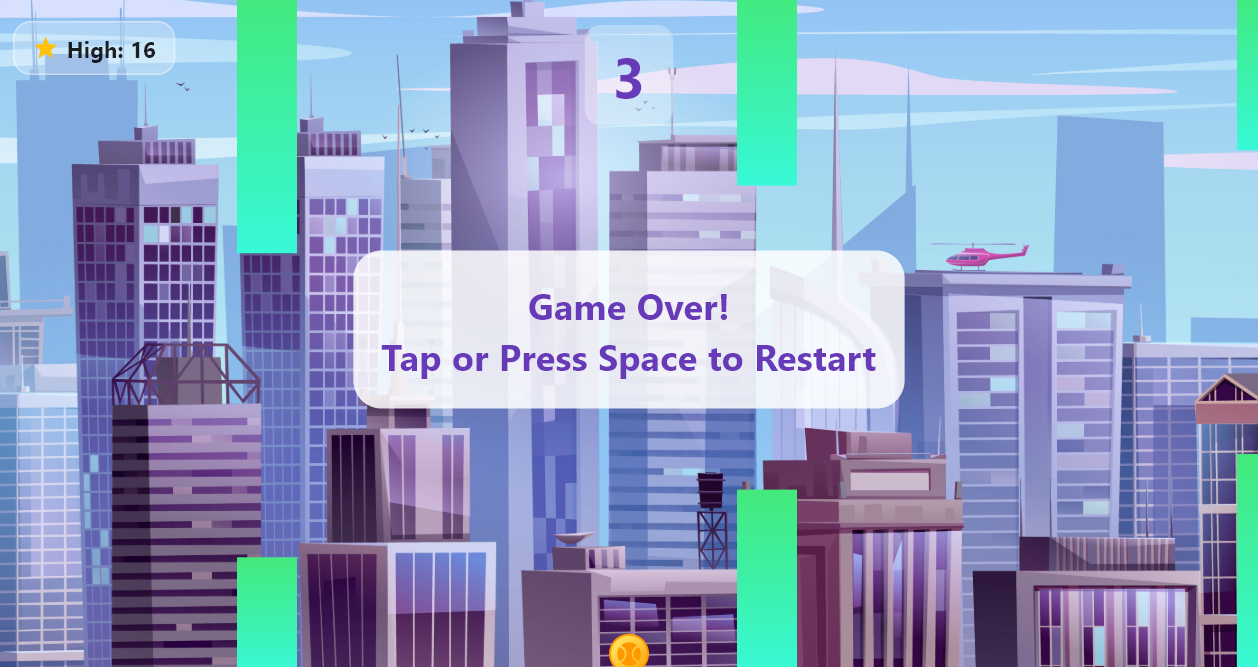
Overview: This project is a mobile clone of the famous Flappy Bird game, built to understand game loops and state management in Flutter.
Key Features:
- Infinite scrolling background and obstacles.
- Collision detection logic implemented from scratch.
- Local storage for saving high scores.
Challenges: Optimizing the rendering loop to ensure smooth 60fps performance on low-end devices.
Hostel Management System
HTML · CSS · JavaScript · LocalStorage
Project Documentation
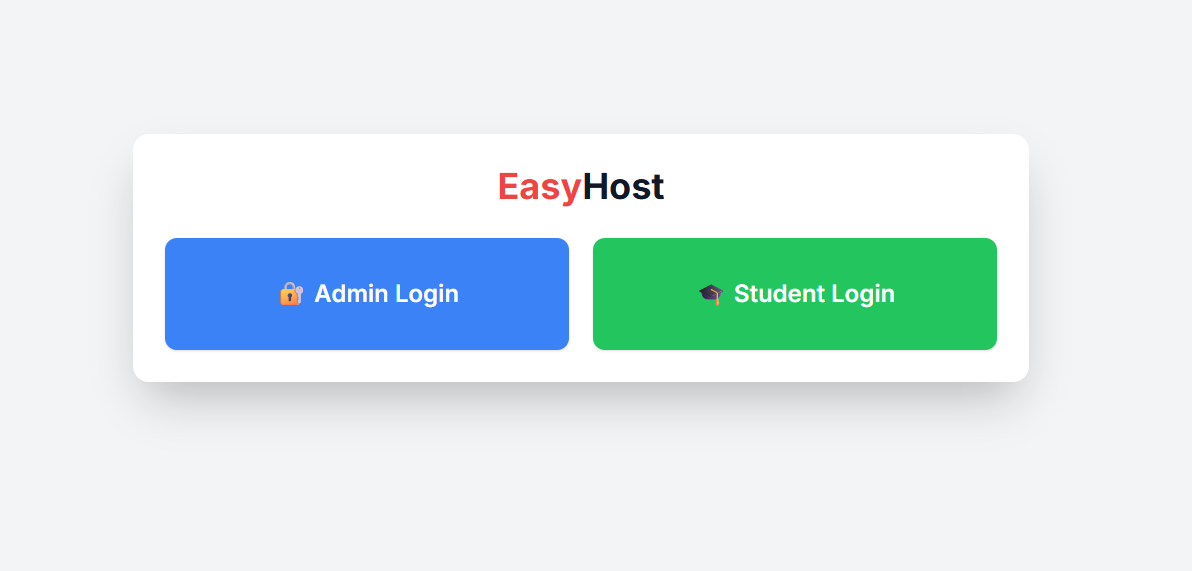
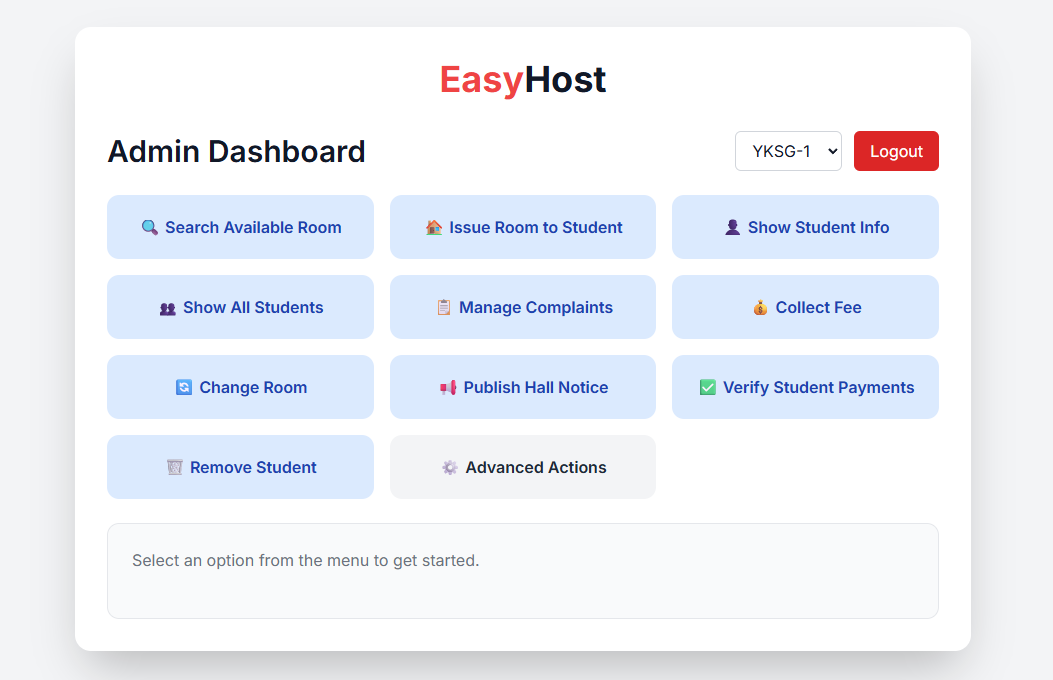
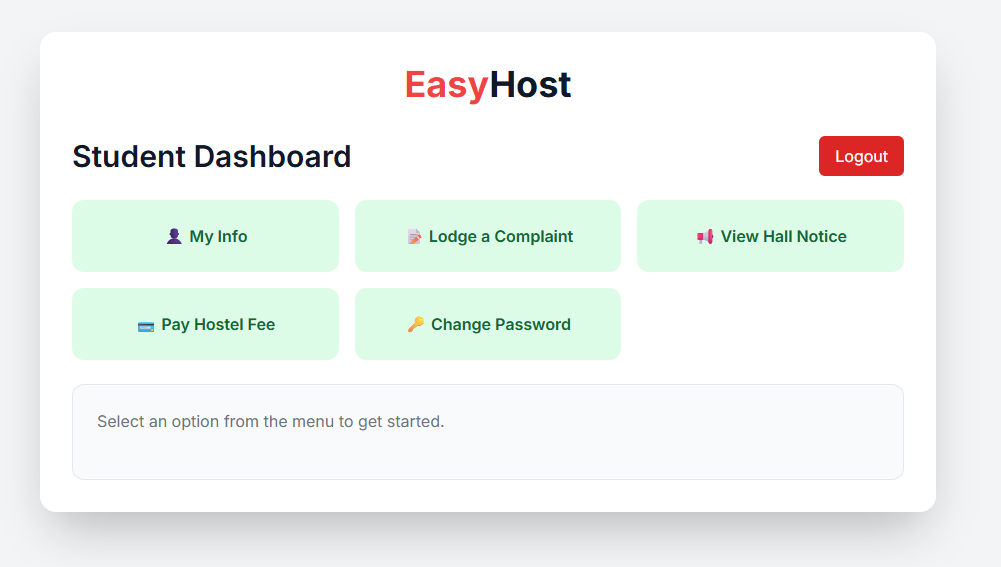
Overview: A web-based application designed to digitize the manual record-keeping process of university hostels.
Modules:
- Admin Panel: Manage rooms, mess charges, and student records.
- Student Portal: Check fee status and lodge complaints.
Implementation: Uses vanilla JavaScript for DOM manipulation and local storage for data persistence, making it lightweight and fast.
Room Fund
JavaScript · Web App · Financial Tracking
Project Documentation
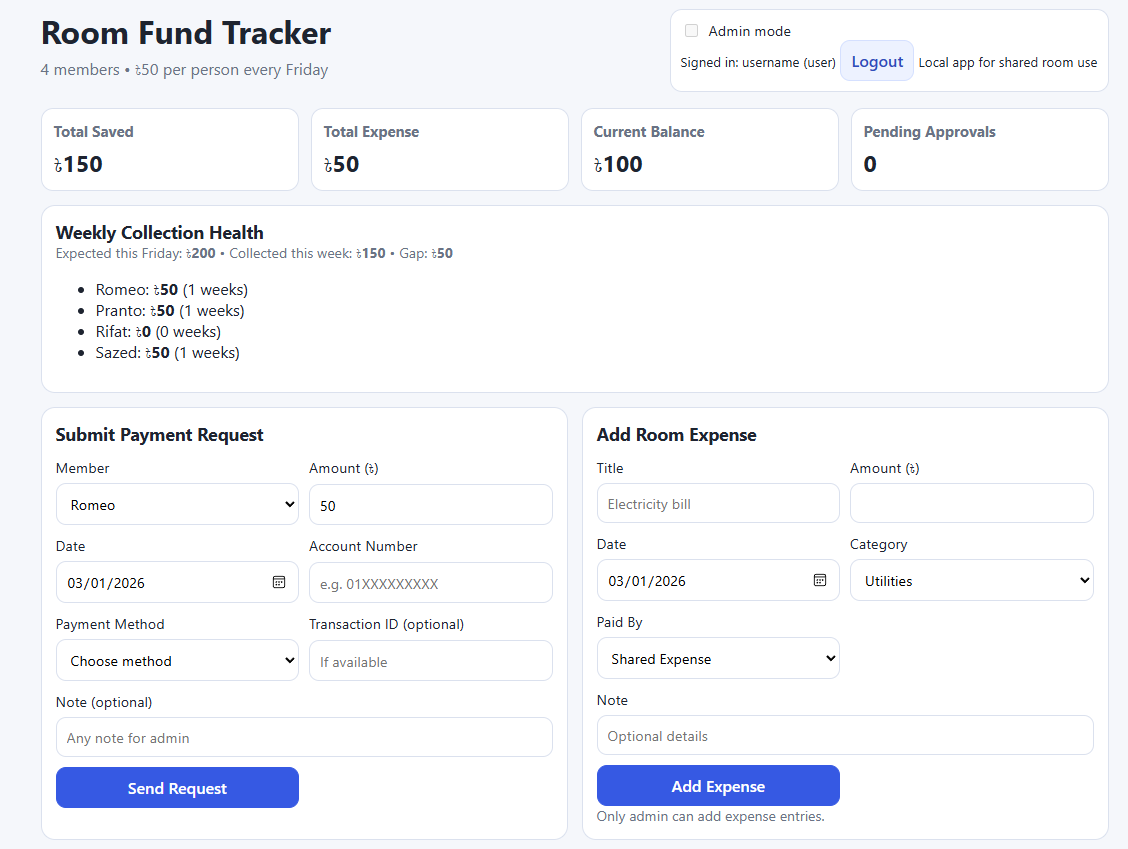
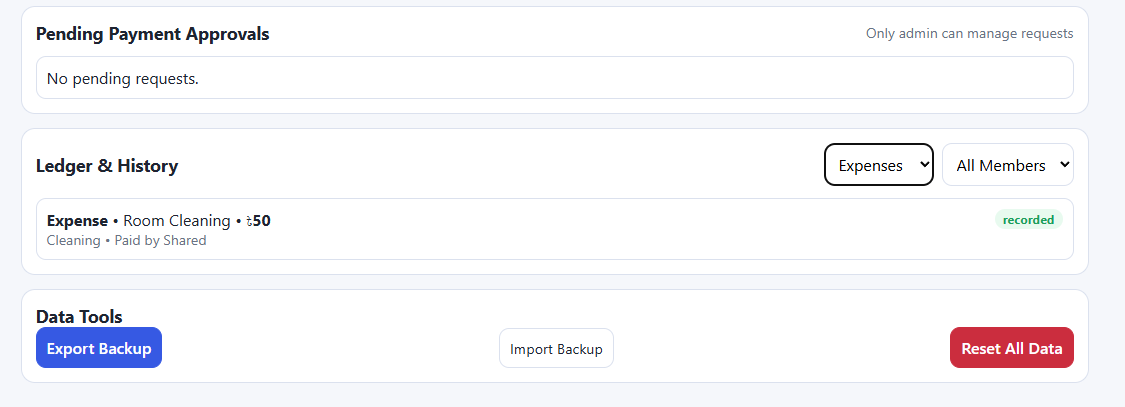
Overview: A dedicated web application for managing shared expenses and funds within a room or hostel setting.
Key Features:
- Track individual contributions and shared expenses.
- Real-time balance calculation for each member.
- Transparent transaction history log.
Implementation: Built with a focus on simplicity and usability to ensure accurate financial tracking for roommates.
Tasbih Count
Flutter · Dart · Firebase · Cloud Firestore
Project Documentation
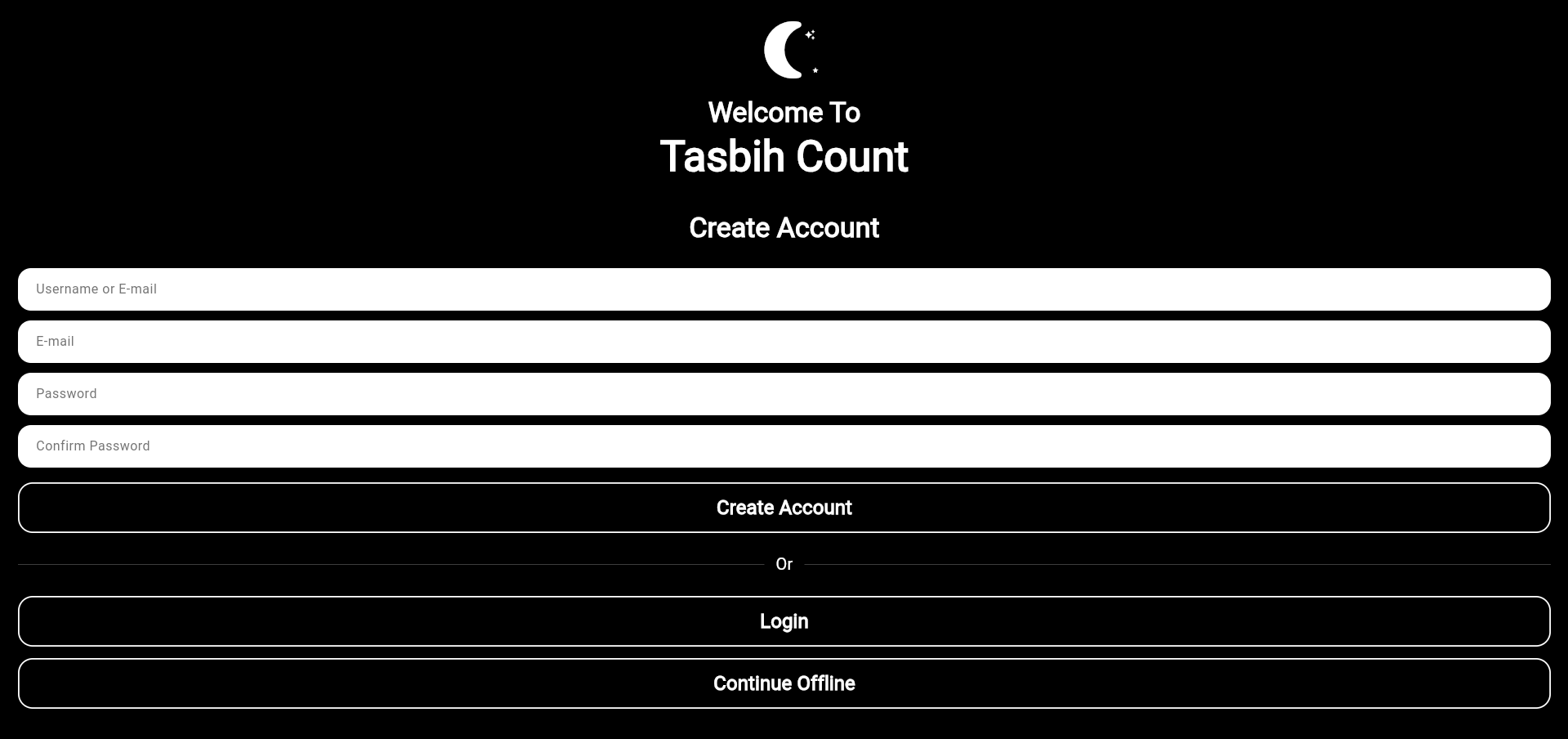
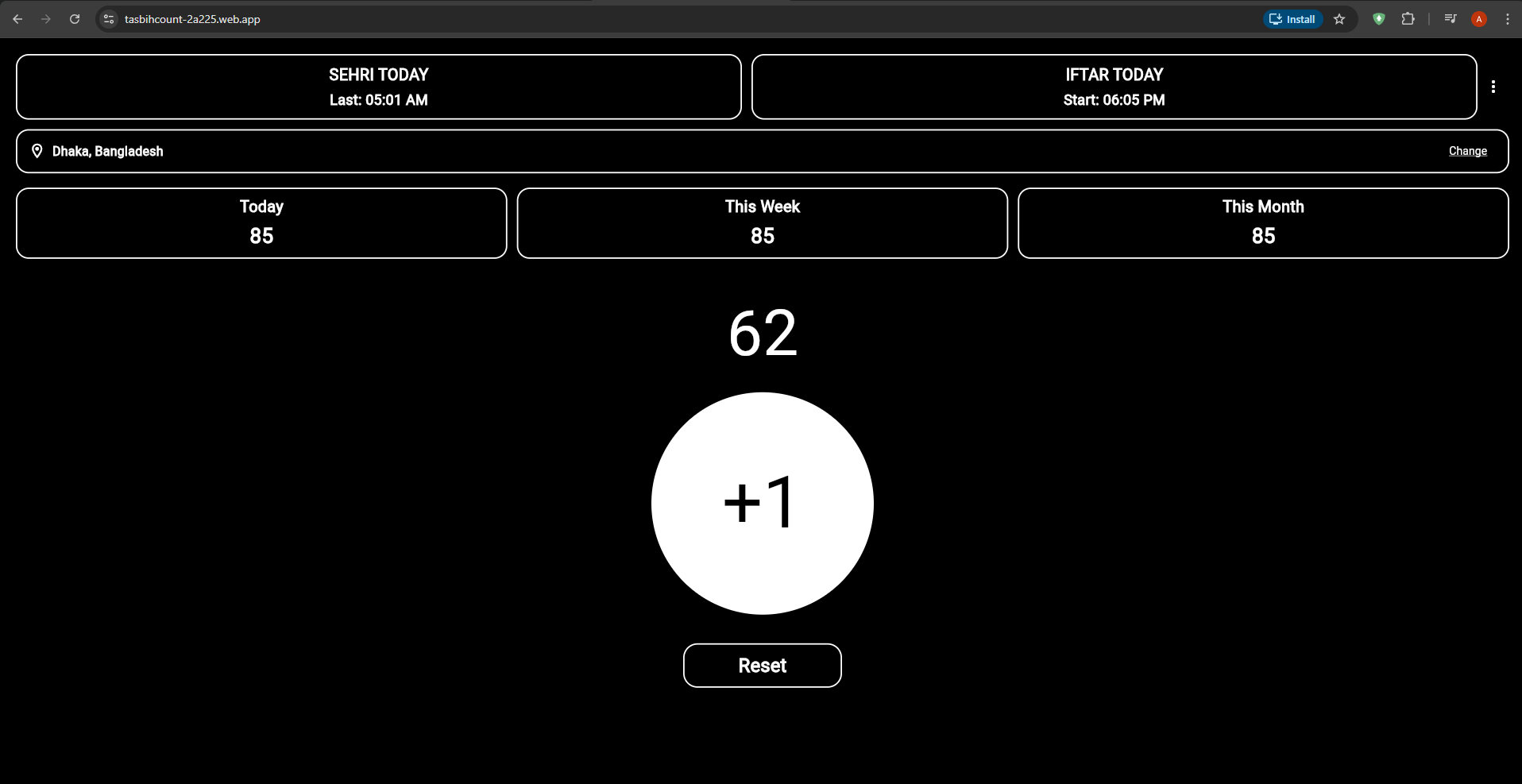
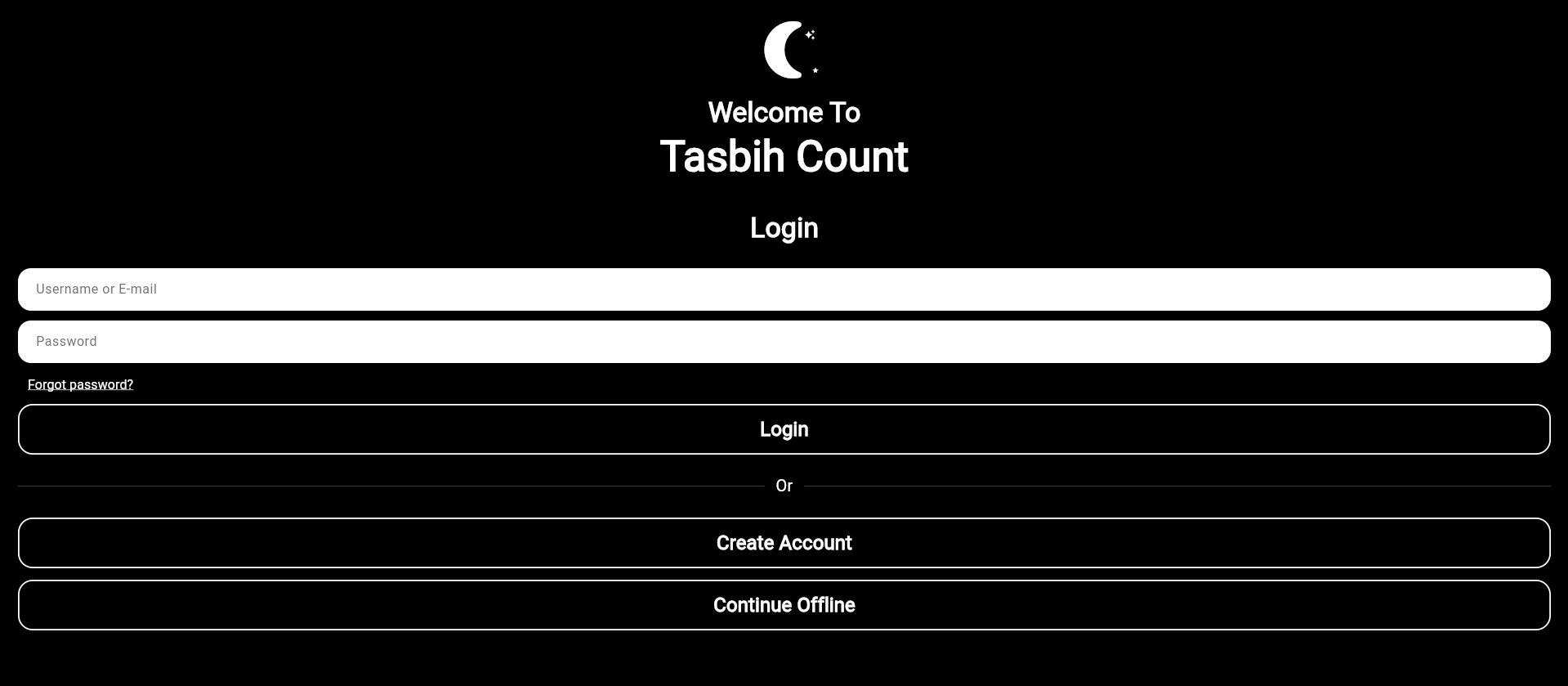
Overview: A cross-platform Tasbih counter application that syncs your count across devices using Firebase Authentication and Cloud Firestore.
Key Features:
- Real-time counter synchronization using Firestore streams.
- Secure user authentication with Firebase Auth.
- Support for Android, iOS, Web, and Desktop platforms.
Implementation: Built with Flutter for a unified codebase across platforms. Uses the Provider pattern for state management and reactive updates.
Collaborator: Sazedur Rahman